
For parents
Gaming Addiction: What's Happening Inside a Teenager's Brain
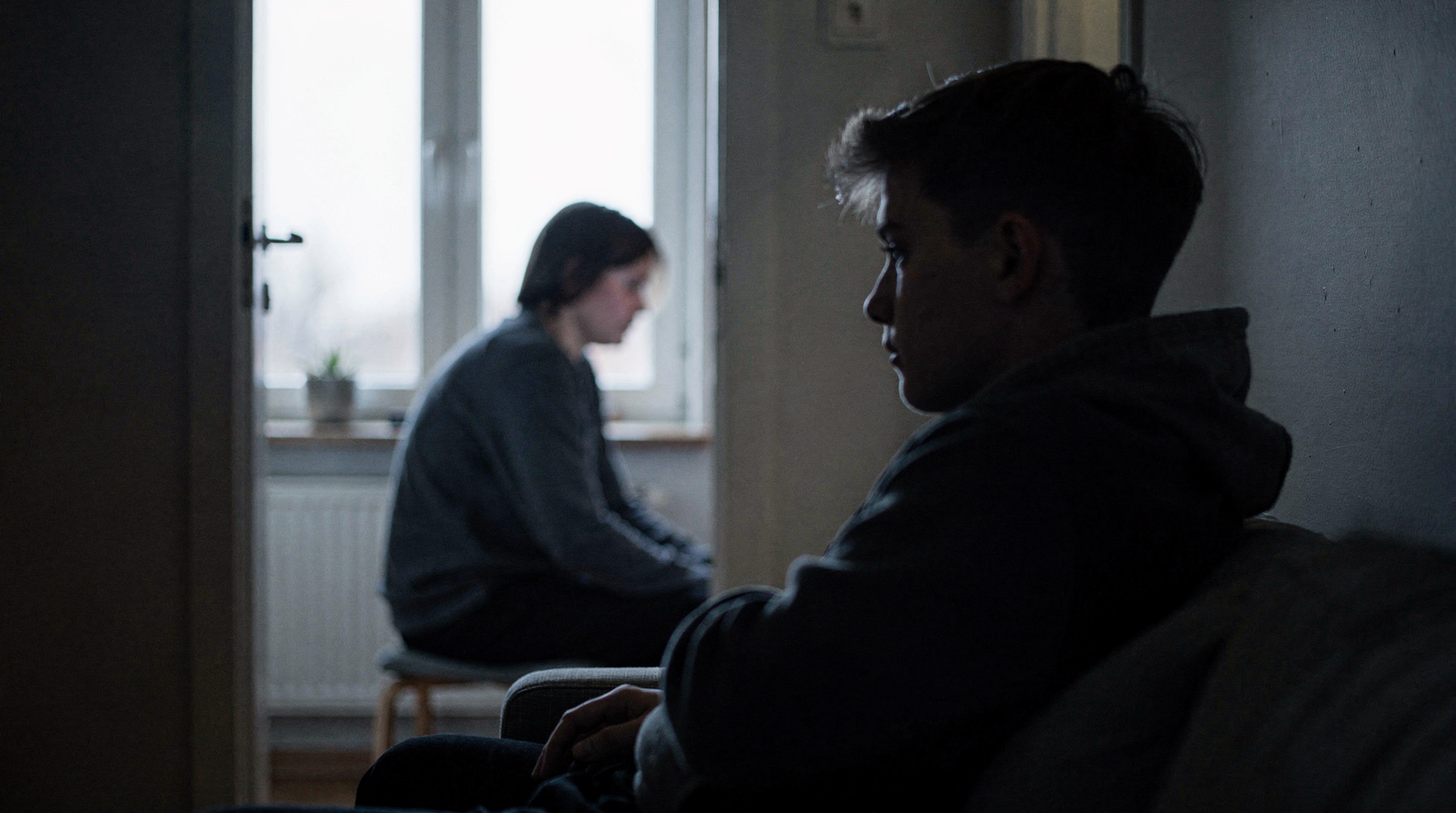
You walk into your teenager’s room and see the same picture again: a hunched back, headphones on, the screen’s glow on their face, completely absorbed in another world. Your questions are met with short answers or irritated silence. You feel a mix of helplessness, anger, and fear. It feels like you’re losing your child as they trade real life for a virtual one. But what if I told you this isn’t about their “bad character” or a “parenting failure”? Gaming addiction is not a lack of discipline or laziness; it’s a biochemical disruption in the brain’s reward system—a disruption that can and should be fixed by understanding its mechanisms. This isn’t a battle against your teenager, but a mission to help their brain escape a meticulously designed trap.
Contents
Key Takeaways
Why They Can't Just Stop: The Dopamine Trap
Imagine the brain is an investor, looking for the best place to put its energy for the quickest, highest return. Schoolwork is a long-term investment: it requires a lot of effort, and the dividends (a good grade, university admission) are far in the future and not even guaranteed. Now, consider a game. Complete a quest—get a shiny sword and +100 experience points. Instantly. Defeat a boss—here’s a rare artifact and the admiration of your guildmates. Right here, right now.
A video game is a perfect machine for producing “cheap” happiness. It exploits our brain’s most ancient mechanism: the reward system. When we do something potentially beneficial for survival (eating, having sex, defeating an enemy), the brain releases a neurotransmitter called dopamine. It’s not the “happiness hormone,” as commonly believed. It’s the hormone of anticipation, motivation, and desire. “Do that again, it will feel good!” it whispers to us.
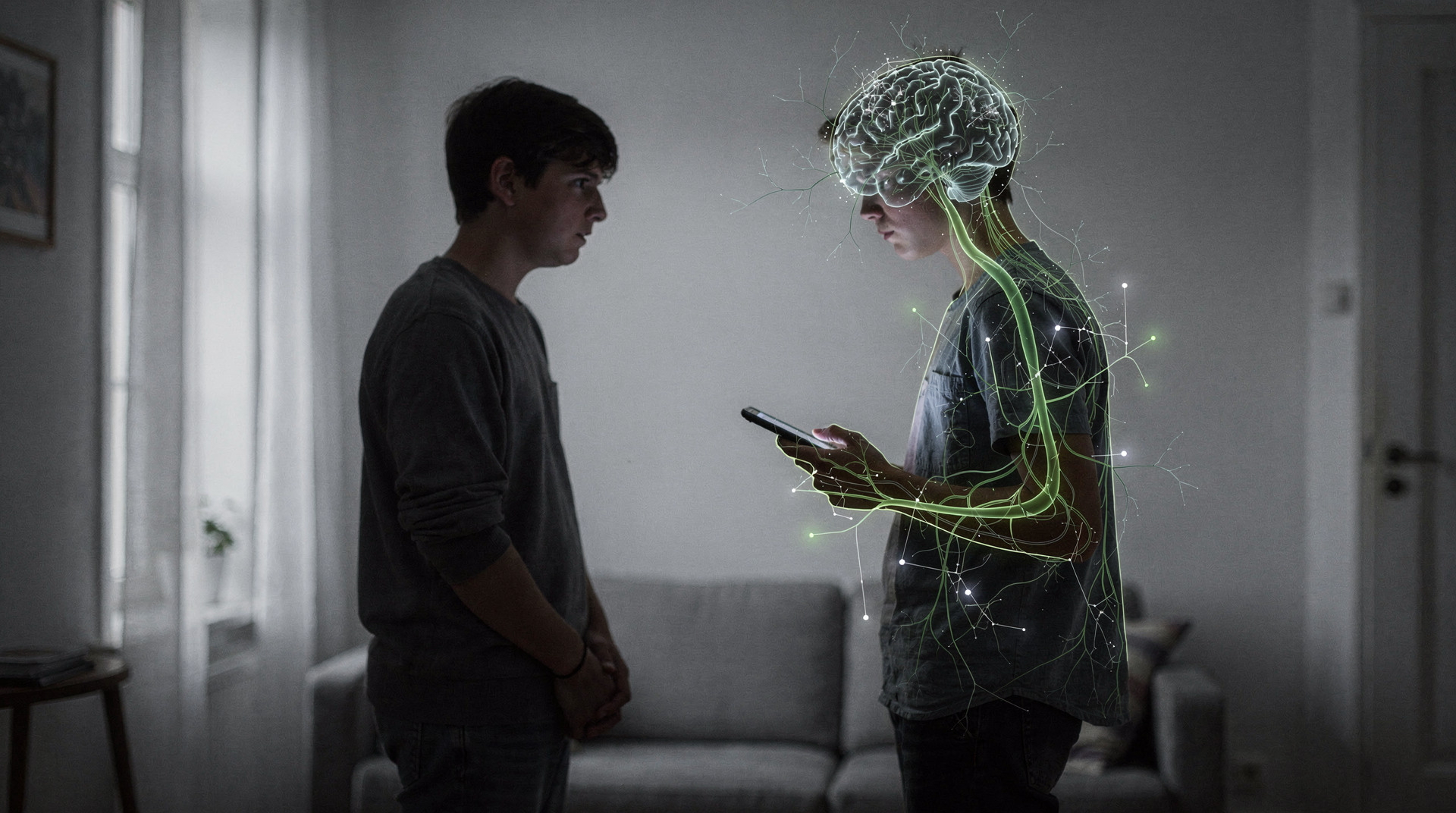
Games hack this system. They offer an endless stream of fast, clear, and measurable achievements. Every new level, every item acquired, every victory is a micro-injection of dopamine. This isn’t a conscious choice by the teenager to be lazy. It’s an automatic reaction of their brain, which has found the shortest and most reliable path to a reward. The brain is literally telling them: “Why spend hours on boring homework with an uncertain outcome when I can become a hero in 15 minutes and get my dose of validation?”
"An Hour Used to Be Enough": How the Brain Adapts and Demands More
Remember your first sip of coffee? It likely gave you a noticeable jolt of energy. What about the fifth cup of the day? At best, it just helps you stay awake. The same thing happens to a gamer’s brain. The coffee metaphor isn’t random—the mechanism is identical.
When the reward system is constantly bombarded by the hyper-stimuli from a game, the brain tries to protect itself from this “dopamine flood.” It starts to reduce the number and sensitivity of the receptors that respond to dopamine. This process is called neuroadaptation, or more simply, building tolerance.
What does this mean in practice? The amount of gaming that used to bring excitement now barely brings them to a “normal” state. To feel that original high again, they need a bigger dose: playing longer, or more intense and challenging games. But the most frightening part happens outside the screen. Due to the decreased sensitivity of the receptors, ordinary life pleasures—chatting with friends, a walk in the park, a good book, even delicious food—stop bringing joy. They simply can’t produce enough dopamine to “break through” the defenses burned out by gaming stimuli. Reality becomes grey, bland, and unbearably boring.
Your child hasn’t become “spoiled.” Their brain is physically losing the ability to enjoy simple things. They are caught in a biochemical trap.
Withdrawal Syndrome: Why a Ban Triggers Aggression and Tears
For many parents, the first and most obvious reaction to the problem is to “take it away and ban it.” You unplug the router, hide the console, or confiscate the phone. And what do you get in return? Not gratitude for saving them, but an explosion of rage, tears, cries of “You’ve ruined my life!” or a deep, stubborn apathy.
“They’re just manipulating me!” you might think. But this isn’t manipulation. It’s a genuine withdrawal syndrome. When a brain accustomed to constant artificial stimulation is suddenly deprived of it, it plunges into a dopamine deficit. The neurotransmitter level drops significantly below baseline. This is felt physically and emotionally as anxiety, irritability, an inability to concentrate, low mood, and an acute, all-consuming craving to get the stimulus back.
Furthermore, in this state, the prefrontal cortex—the part of the brain responsible for self-control, planning, and rational thinking—functions poorly. Meanwhile, the limbic system, our “emotional center,” goes on high alert. This is why a teenager can’t “just pull themselves together.” Their brain is in survival mode, and any attempt you make to “help” is perceived as a direct threat. They are not trying to make you angry. They are suffering. And their aggression is a cry for help from their overwhelmed and confused nervous system.
How many hours a day of gaming is normal for a teenager to avoid addiction?
There is no single “safe” number. It’s less about the time spent and more about the place gaming occupies in their life. If a teenager plays for 2 hours after finishing homework, socializes with friends, and has other hobbies, it’s generally fine. But if even one hour of gaming comes at the expense of sleep, hygiene, school, and real-life interaction, that’s already a red flag.
What You Can Do Today: 4 Steps for Parents
Fighting windmills is exhausting. Instead of waging war on the symptom (the game), let’s work on the cause (the needs the game is fulfilling). Here are concrete steps.
When to See a Specialist
Sometimes a family’s best efforts aren’t enough, and that’s okay. Gaming addiction is a serious issue, and there’s no shame in seeking help. It’s a sign of strength, not weakness. Consider booking a consultation if you notice the following signs:
- Your attempts to negotiate lead to constant fights or aggression.
- School performance has dropped sharply and isn’t recovering.
- The teenager has completely abandoned all friends and hobbies they had before gaming.
- You notice signs of depression: apathy, persistent low mood, changes in sleep or appetite.
- The teenager lies about the amount of time spent gaming or plays secretly at night.
In a consultation, we won’t “treat” your child or blame you. Together, we will figure out what deep-seated needs the game is fulfilling and build a systematic plan to bring your teenager back to the real world. We will find ways to restore the healthy functioning of their reward system and improve communication within the family.
If you feel the situation is getting out of control, you can book a consultation in Tallinn or online.
Frequently Asked Questions
Is this a real addiction, like with drugs or alcohol?
Yes. From a neurobiological standpoint, the mechanisms are very similar. Both involve the reward system, dopamine, the development of tolerance, and withdrawal syndrome. The difference is the substance (external vs. internal), not the fundamental brain process. The social consequences may differ, but the brain’s distress is the same.
Should I just take away the computer and phone?
That’s the quickest path to all-out war, loss of trust, and making the problem worse. The teenager will find a way to play elsewhere, but you will lose the last thread of connection. A ban doesn’t teach self-regulation; it only provokes resistance. It’s far more effective to teach management rather than to prohibit.
All my child's friends play games; isn't this normal for their generation?
Yes, gaming is a part of modern social life for teenagers. But there is a difference between a hobby and an addiction. The key question is: who is in control—the person or the game? If the game becomes the center of their universe, pushing out school, sleep, health, and face-to-face interaction, it’s no longer “normal.”
Is it my fault that my child has a gaming addiction?
This question is a trap that leads to self-blame and paralysis. Gaming addiction is a complex phenomenon at the intersection of psychology, biology, and technology. Blaming yourself is as unproductive as blaming the weather. It’s much more important to shift the focus from finding fault to finding solutions. You are not to blame, but you are in a position to help.