
Articles
Is Perfectionism a Virtue or a Trap? How it Shapes Your Life
How many times have you told yourself, “Just a little more, and then it will be perfect”? That “perfect” moment never truly arrives. Because perfectionism isn’t a pursuit of excellence; it’s a trap that constantly makes you feel inadequate, even when, objectively, everything you’ve done is excellent.

Contents
Key takeaways
Not a drive to improve, but a neurotic need for flawlessness to avoid criticism or failure. The brain gets stuck in fight-or-flight: the amygdala stays activated, releasing cortisol and adrenaline in response to imaginary threats. You feel unsafe even when you aren't.
Leads to chronic stress — excess cortisol exhausts the adrenals, disrupts sleep and appetite. That feeds burnout when dopamine and serotonin, which govern motivation and mood, stay depleted. Your system can’t recover; joy and energy fade.
Often rooted in childhood patterns where worth felt tied to achievements, or in absorbed social norms. The brain learns to treat mistakes as danger.
Learn realistic standards, accept limits, notice process not only outcome. Value yourself as a person — with flaws and the right to have them — not only for results.
Perfectionism isn't just love of order
When you hear “perfectionist,” what comes to mind? Someone who does quality work, holds high standards, hates sloppiness. Partly true — but that’s the visible tip of the iceberg, the monitor showing the picture. The real “system unit” runs deeper, on specific neural algorithms.
What’s the difference between healthy mastery and toxic perfectionism? Take two architects. Both want a beautiful, functional house. One enjoys the process, refines details, accepts changes — and knows when to stop. They aim for quality, not an impossible ideal.
The perfectionist redraws plans endlessly, afraid of the smallest error. They worry others will find a flaw; work feels like tension, not creativity. The result is a shield against criticism, not an idea made real. The brain stays on high alert, like a lookout tower. The amygdala becomes hypersensitive: uncertainty or a possible mistake triggers stress and mobilizes the nervous system against an imaginary enemy.
Remember postponing something important — “not enough time,” “too complex,” “need to think more”? That may be your inner perfectionist saying it’s better not to start than to do it “imperfectly.” The voice whispers: “If you can’t do it flawlessly, why try? Better do nothing than be ashamed.”
So perfectionism isn’t just orderliness. It’s often a self-esteem issue dressed as excellence. Your worth starts depending on external scores, not inner significance.
Where does the "star student" syndrome come from?
Roots usually go deep into the past, often childhood. This isn’t an innate trait like eye color. It’s a learned pattern shaped by conditions you faced.
Imagine a child praised only for perfect grades or flawless behavior. A B might bring: “Why not an A?” Or small mistakes were punished despite real effort. A simple, damaging link forms: “I’m good/loved/worthy only when I’m perfect.” Mistakes become rejection, disapproval, loss of love.
Or parents who were perfectionists themselves passed on: “The world is harsh; to survive you must be the best.” Ruthless self-criticism becomes normal.
The brain records: any mistake is an alarm, a threat. The amygdala reacts not only to real danger but to harmless flaws — cortisol, adrenaline, panic, redo everything or quit. Imperfection reads as threat.
How to tell healthy striving from perfectionism? When standards are dictated by an inner critic comparing you to an unreachable ideal — that’s likely pathological perfectionism. Not love of excellence, but fear of imperfection.
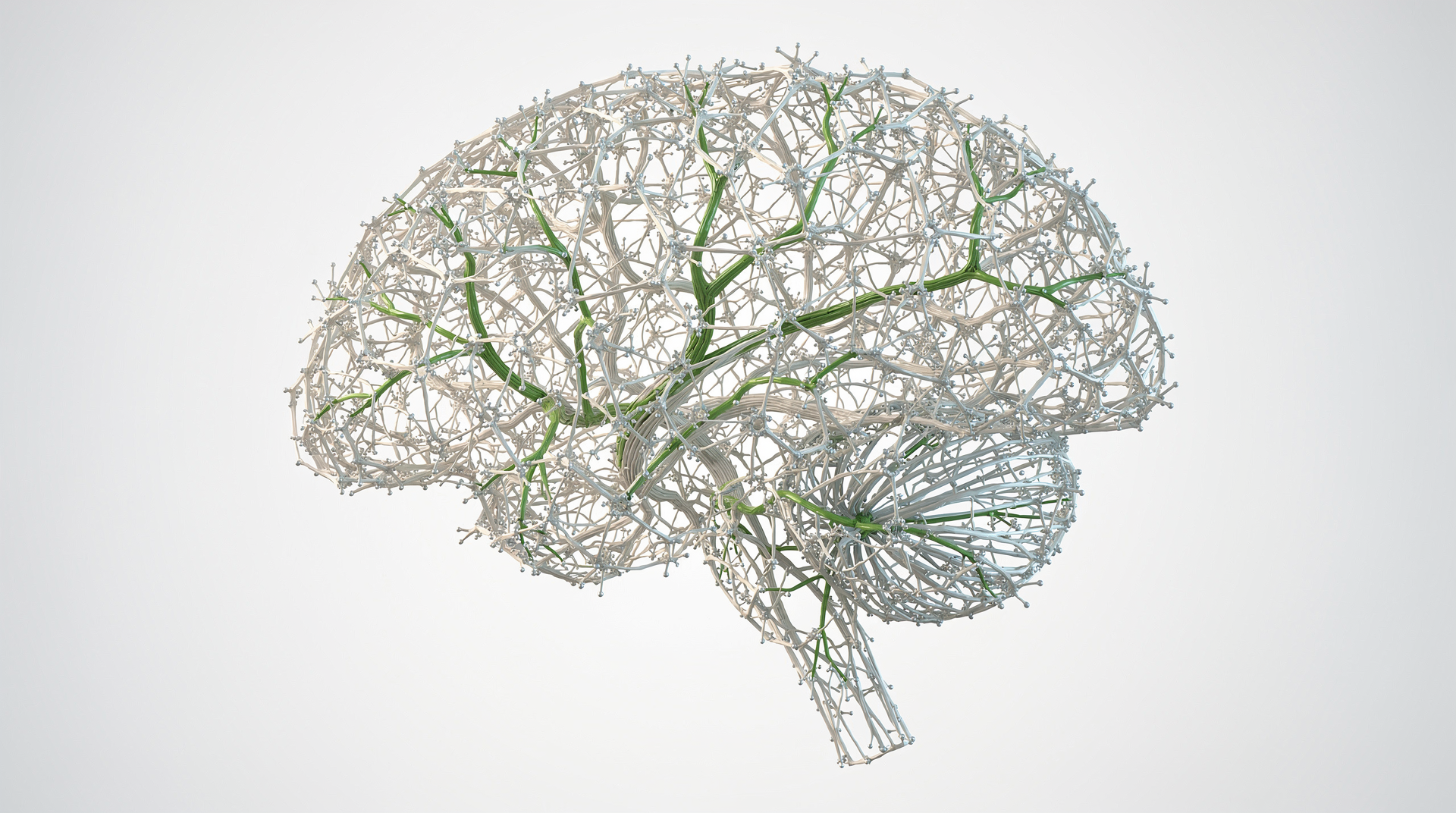
Brain on standby: why perfectionism drains energy
When we say perfectionism “drains energy,” that’s biochemistry, not metaphor. brain is a high-performance computer; perfectionism runs endless background checks and hunts for the “right” answer even when the task is done.
Every task feels like an exam — report or dinner. The sympathetic nervous system keeps releasing cortisol and adrenaline. Short-term that mobilizes; long-term it wears the body down.
Reward pathways misfire. Finish with small flaws and you should get a dopamine hit — satisfaction, motivation. For a perfectionist the ideal is unreachable, so tasks never register as complete. The feeling stays: “I fell short again.”
Like an obstacle race where the finish line keeps moving. Mitochondria — cellular power plants — burn through ATP. When stores deplete, you feel physical and mental fatigue, an empty tank after small tasks. Burnout builds through micro-depletion, not one catastrophe.
Huge energy goes not to action but to inner dialogue, self-criticism, rehearsing failure. Fatigue lowers focus, raises errors, reinforces perfectionism. You’re overloaded and paralyzed by fear instead of productive.
How perfectionism links to self-esteem
Perfectionism ties tightly to low or unstable self-esteem. Worth feels dependent on achievements and flawlessness in others’ eyes; any mistake confirms inadequacy.
Healthy self-esteem rests on unconditional acceptance: “I’m valuable because I exist.” Perfectionism builds conditional worth: “I’m valuable only if I’m best/perfect/flawless.” Structures for social approval stay active — like a permanent invisible exam for the right to exist.
Each “imperfect” act registers as failure, reactivating old error-rejection circuits — often from childhood when love depended on results. You don’t learn from mistakes; you treat them as personal defeat. Not confidence — a chase for approval you’ll never catch.
Consequences: life in the "Perfect" net
“Just a bit longer” — familiar? The cost rarely shows at once. Perfectionism is an invisible net limiting freedom and joy across life.
Chronic stress and anxiety
Constant tension, expecting mistakes, fear of falling short keeps the brain in combat readiness. Excess cortisol exhausts the adrenals; sleep breaks, irritability rises, and anxiety and depression find fertile ground.
Procrastination and action paralysis
Paradoxically, aiming for the ideal often backfires. Fear of starting without a flawless outcome breeds procrastination. Deadlines slip, projects stall, and you feel worse — “failed again.”
Relationships and isolation
Perfectionism shapes how you connect: fear showing weakness, delay important talks until you can phrase them “perfectly,” avoid closeness lest you be “found out.” Vulnerability reads as threat; distance feels safer.
Burnout and lost joy
When every task is an exam and every result “not good enough,” the body gets no rest. Real wins don’t satisfy. That’s the path to burnout — years of micro-exhaustion, not one crash.
What to do today
When to see a specialist?
If perfectionism paralyzes action, drives chronic stress, or harms relationships and work — unpack the mechanism with a psychologist. Book online or in Tallinn. In acute crisis — emergency care.
Frequently asked questions
Is perfectionism a virtue or a problem?
Healthy quality drive motivates. Trouble starts when fear of mistakes blocks action and satisfaction never arrives.
Can perfectionism be "cured"?
It’s not a disease but a stable brain pattern. New experience rebuilds it: small steps, realistic standards, work with the inner critic.
Why do I procrastinate while wanting everything perfect?
The paradox: higher bar, scarier to start. The brain chooses “don’t begin” to avoid possible failure.
When is a psychologist needed?
When perfectionism affects sleep, relationships, career, or pairs with anxiety and burnout that don’t ease on their own.