
Burnout
Digital hygiene: every swipe drains serotonin
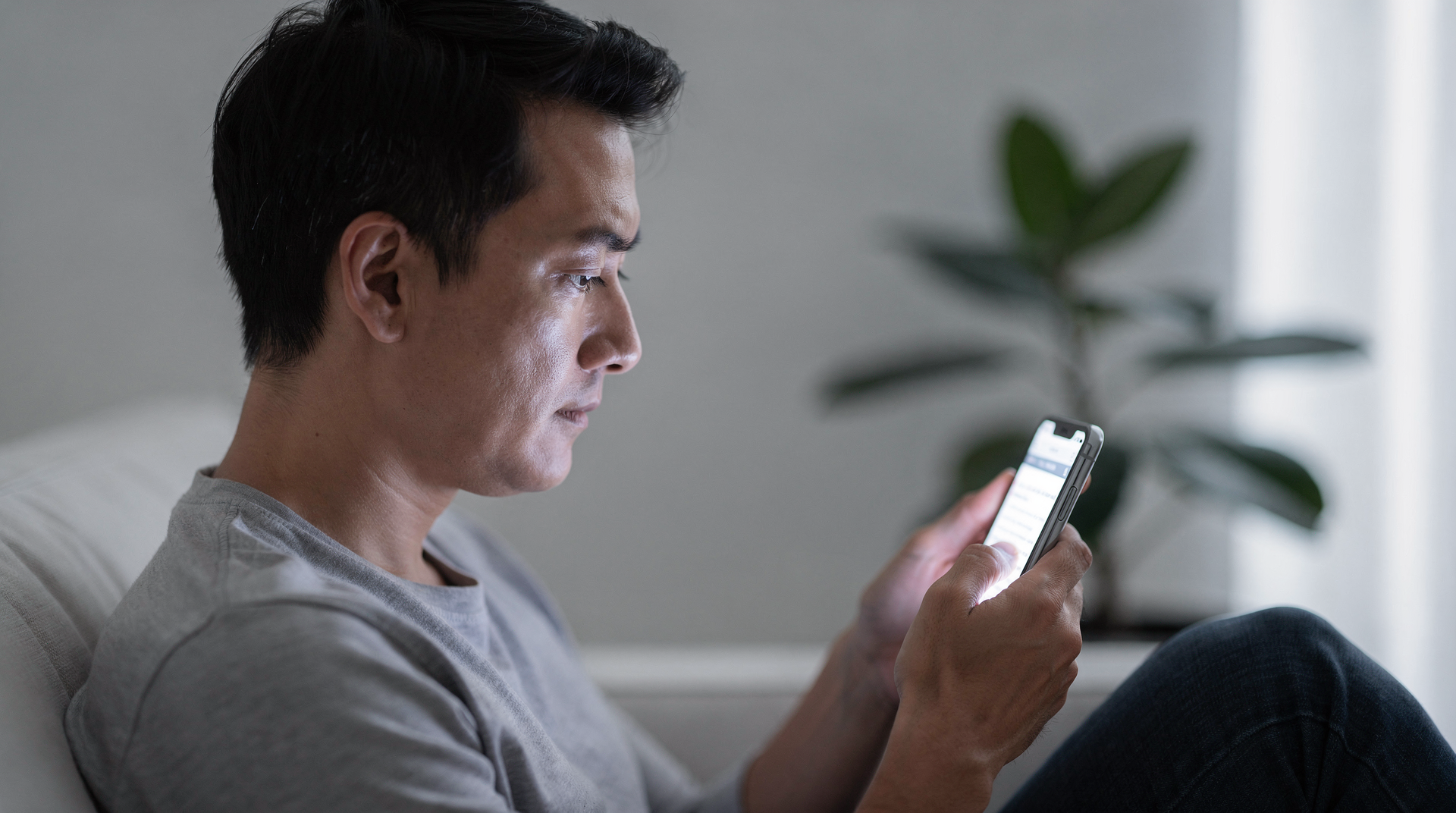
«I’m resting — just scrolling the feed». After a hard day your hand reaches for the phone: news, memes, short videos. It feels like digital hygiene in reverse — a reward for effort. But for the brain, endless scroll isn’t rest — it’s hundreds of micro-switches with cheap dopamine. With burnout, that’s especially tricky: you don’t recover; you burn what’s left of serotonin and attention.
Below: the mechanism (dopamine, cognitive budget, braking), link to exhaustion, and steps without «quit your phone forever». Overview of stages — on the burnout page.
Contents
Key points
What digital hygiene means with burnout
Digital hygiene isn’t a vow to never touch your phone. It’s consciously lowering stimuli that keep the nervous system in «just a bit more» mode. Like hand-washing in medicine: not avoiding the world, but removing extra harm when immunity is already weak.
With burnout the brain seeks the cheapest way not to feel emptiness. The smartphone is always there. The issue isn’t «weak will» — algorithms target your dopamine, not your sleep. Digital hygiene starts with an honest question: is this rest or anesthesia?
Dopamine and «cheap pleasure»
Each new post, like, notification — a micro-reward. The brain ticks: «that was interesting, repeat». The course compares this to experiments where animals pressed again and again — even at the cost of food and sleep. We’re not rats, but the reinforcement loop is similar.
Hence «dopamine cosmonauts» — people used to instant pleasure. Long tasks without pings feel unbearable. In a queue, at a traffic light — ten seconds of silence hurt more than an hour offline used to. This overlaps with brain fog, but here the focus is the source of stimulus — the screen.
Why does every swipe load the nervous system?
Each swipe isn’t only dopamine «wow» — it’s an attention switch. Before engaging with a new clip, the brain must release the previous one — braking work. The burnout course describes this via serotonin and executive control: simply put, frequent switches drain reserves, like the 1-a-2-b experiment.
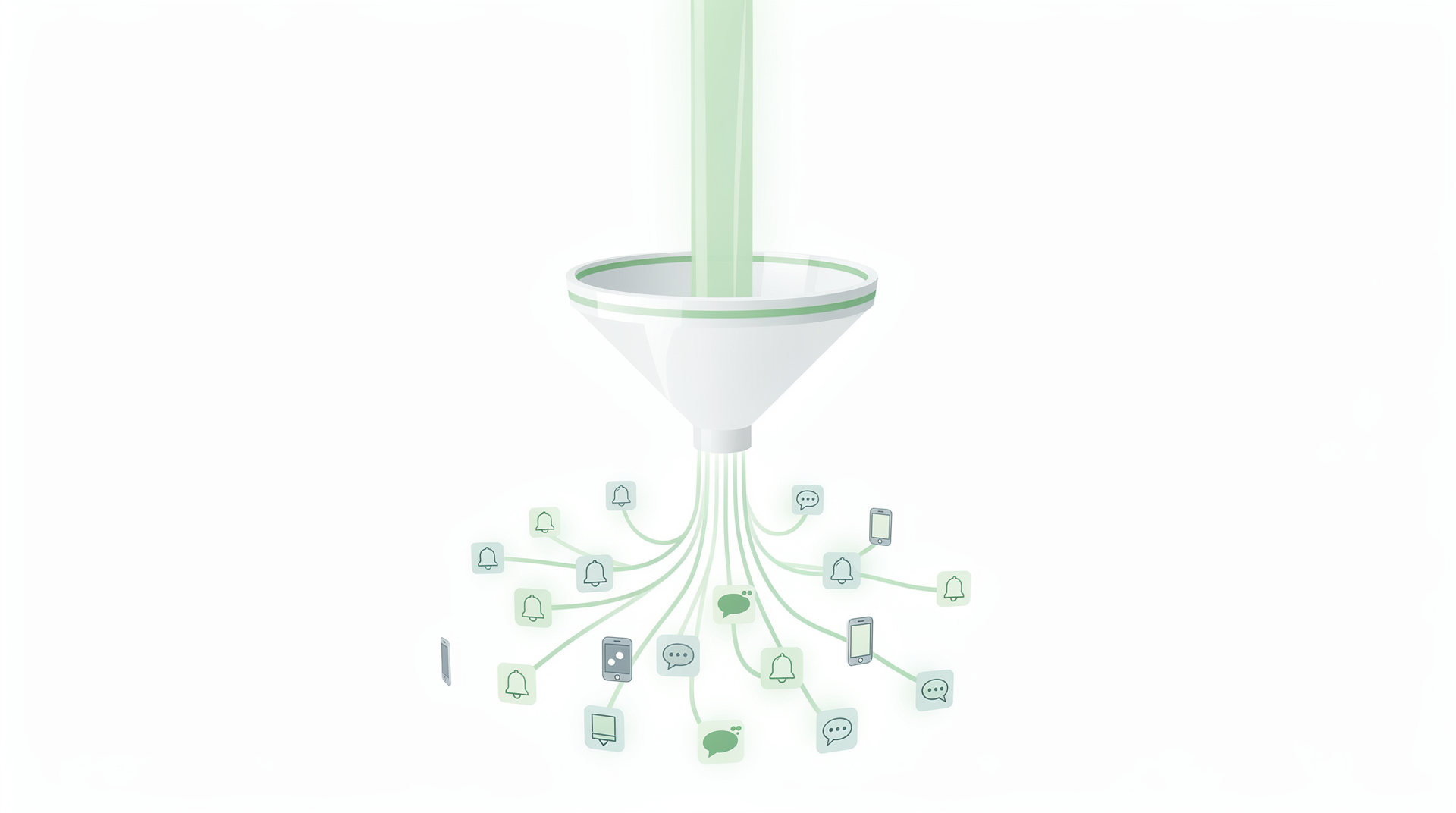
One swipe — fine. Two hundred in an evening — accumulated fatigue, irritability. Red notification dots keep the brain in «maybe important» mode even when you don’t open them. Not a moral failure — physiology of an overloaded dispatcher.
Cognitive budget and guilt
Imagine a daily attention limit as a wallet. Work, kids, chores already took most of it. Scroll eats the remainder — yet you still need to finish a report, talk to someone, sleep.
Typical loop: «I’m doing nothing, just on my phone» → guilt → «I must start» → anxiety → phone again because it’s easier. Tomorrow you promise «I’ll start» — and the first free slot goes to the feed again. Digital habit feeds guilt without reducing load.
Digital scroll and burnout
With burnout the brain saves resource: avoids heavy tasks, drifts to automatic. The feed is perfect — no decisions, illusion of life. Outwardly «resting», inwardly the nervous system still on alert: eyes, fingers, waiting for the next hit. Many people notice they scroll harder exactly when exhausted — not because they’re «addicted», but because the brain avoids costly focus.
Symptoms stack: worse sleep (blue light + arousal), daytime forgetfulness and outbursts. Morning «five more minutes» in the feed eats time you don’t have. Not necessarily «Instagram depression» — more often exhaustion + digital reinforcement blocking real recovery. Compare with fatigue and burnout and multitasking myth — scroll is another form of switching.
What to do today
If things worsen — see a psychologist: scrolling sometimes masks anxiety or low mood, not only habit. Urgent — emergency help (112, 116 123).
Check your load
Scroll rarely comes alone — anxiety, poor sleep, irritability often sit beside it. The test does not diagnose; it shows which of four scales is overloaded. If «symptoms» or «anxiety» top the chart, pair digital hygiene with real load reduction, not only blockers.
Take the online burnout test · ~7 minutes · 4 scales · instant result.
On the burnout topic page you’ll find more on sleep, boundaries, and recovery. Digital hygiene is one lever; it works best with rest and, when needed, therapy.
FAQ
Does digital hygiene mean quitting the phone?
No. Goal is less automatic consumption and more pauses for the nervous system.
Why doesn't «rest on the phone» restore you?
Feed keeps attention in light arousal and constant switching. Dopamine yes, rest for the prefrontal cortex — no.
Are smartphone and burnout linked?
Phone isn’t the only cause, but with exhaustion it amplifies: escape → guilt → more scroll → worse sleep.
What if it's «boring» without the feed?
Boredom can signal overstimulation, not laziness. Start with grayscale and short phone-free windows. After a few days many people feel evening sleepiness return — a sign the system is cooling down. You don’t need a week-long detox: one evening without short videos is enough to notice easier sleep onset.
How is digital hygiene different from «less screen time» tips?
Generic advice says «limit hours». Here the focus is mechanism: dopamine loops, cognitive budget, and braking cost on each swipe. Barriers (grayscale, blockers) work because they change the environment, not because you «try harder».