
Articles
Anxiety — Danger or a Useful Signal?
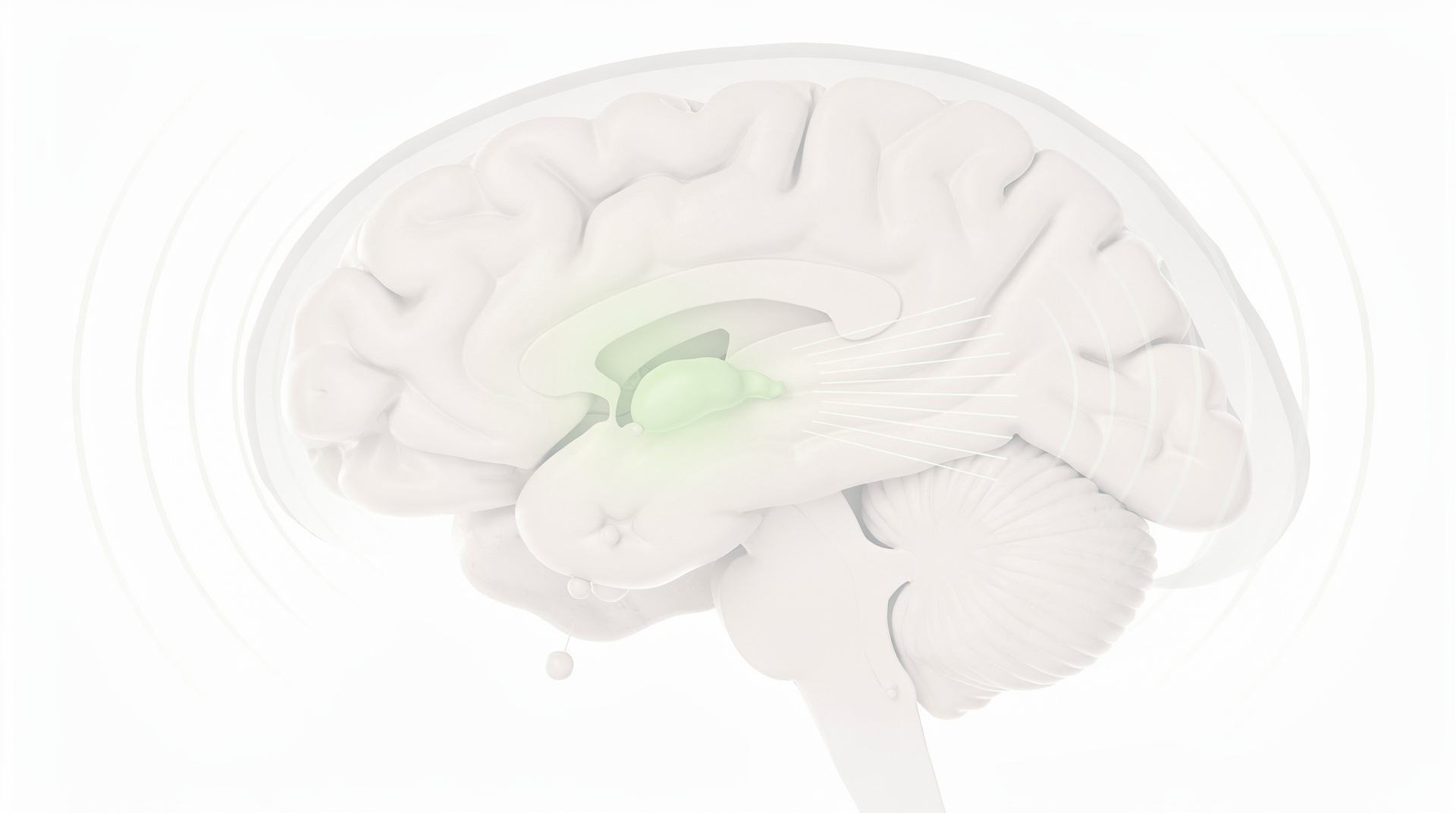
Anxiety is a survival mechanism: the amygdala scans for threats and mobilizes the body through cortisol and adrenaline. In short bursts it saves lives. When it becomes constant background noise, the nervous system works against you — stuck in fight-or-flight with no real predator.

Contents
Key takeaways
Why modern life breeds anxiety
Information overload, instability, fear of failure — the brain gets endless «something’s wrong» signals. The amygdala fires not because a predator is near, but because something feels threat-like. That’s not character flaw; it’s a protective response to an unpredictable world.
Panic: alarm on empty
Panic is extreme anxiety: the body reacts as if chased by a predator — racing heart, short breath, dread. Fear of the next attack becomes its own trigger — a closed loop.
Anxiety without an object
Sometimes there’s no named fear — just unease. The threat system is active but has no target. Doctor visits and tests may briefly calm you, then the brain invents a new «what if».
Life in constant tension
Chronic anxiety tightens muscles, wrecks sleep, scatters focus. The immune and digestive systems pay the price. Over years the nervous system «forgets» how to stand down.
Normal anxiety vs disorder
Normal anxiety matches real situations and fades when they pass. A disorder means disproportionate, persistent anxiety that controls avoidance, work, relationships, and sleep — a miscalibrated threat system, not moral failure.
What to do today
When to see a specialist
If anxiety disrupts sleep, work, or relationships, or brings panic attacks — unpack the mechanism with a psychologist. Book online or in Tallinn. In acute crisis — emergency care.
Frequently asked questions
Is anxiety normal?
Yes as a brief danger signal. Trouble starts when it’s constant and out of proportion.
Anxiety vs panic?
Anxiety is background tension; panic is an acute surge with intense body symptoms.
Can I manage without medication?
Often yes — therapy, breathing, exposure. Medication when indicated by a doctor.
When is a psychologist needed?
When anxiety drives avoidance and life quality for months without easing.