
Burnout
Sleep hygiene for burnout: 10 simple rules
The last episode ends at half past one, the phone is charging next to the pillow, and the room is stuffy. In the morning there’s the alarm, coffee, and the whole thing starts again. With burnout, this rhythm easily becomes normal: the evening is the only time that feels like “yours,” and it seems a waste to spend it on sleep. But without enough sleep, recovering from overload is harder, and a few simple rules can protect it.
I often compare burnout to a broken leg. A broken leg gets a cast and is kept off weight-bearing while the bone heals. With burnout, the brain also needs a lighter load, and night is the main time it isn’t solving problems. Sleep hygiene doesn’t treat burnout on its own. It removes what gets in the way of sleep, and that already counts for a lot.
Contents
The short answer: what sleep hygiene can do
Why does your brain need sleep when you're burned out?
Sleep isn’t an “off” mode; it’s active work for the brain. Memories are consolidated during sleep, and in studies on mice, waste products of metabolism were cleared from brain tissue faster during sleep. This is called the glymphatic system. It has been studied less in humans, but the general takeaway is simple: when you’re short on sleep, recovery is harder, especially when your daytime load is already high.
The mouse findings need to be stated carefully. In a 2013 study, the space between brain cells widened in sleeping animals, and metabolic waste was cleared more actively. It’s an elegant and important result, but it doesn’t mean every sleepless night “clogs up” a person’s brain. I mention it to make one point clear: sleep isn’t wasted time you can hand over to a TV series without consequences.
Burnout sets up an unpleasant loop. During the day you have no energy; in the evening you finally have some freedom, and you want to stretch it out. You go to bed late, sleep too little, and have even less energy in the morning. The brain doesn’t hurt the way a broken leg does, so you can keep this loop going for months, until your memory, mood and patience start to give way.
10 sleep hygiene rules
This is the list I give my clients. You don’t have to adopt everything at once. Pick the two or three rules that are easiest to start today, and add the others gradually.
- Get enough sleep. According to recommendations from the US National Sleep Foundation, adults usually need 7–9 hours and older adults 7–8. Needs vary a little from person to person, but a regular five or six hours is sleep deprivation, not a personality trait.
- Go to bed and get up at the same time. Your body’s internal clock, the circadian rhythm, holds steadier on a stable schedule. Wake-up time matters more than bedtime, so start there, including on weekends.
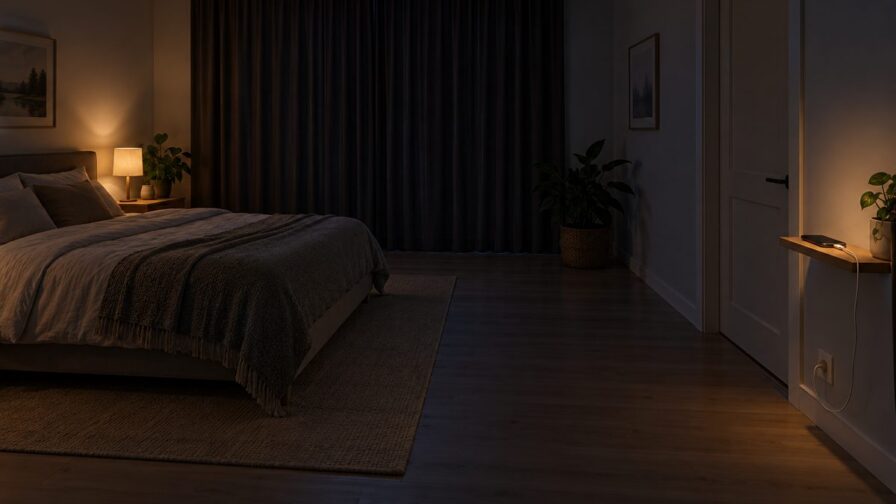
- Put screens away one to two hours before bed. Two hours is ideal; one hour is realistic. It isn’t only about screen light: news, messages and an endless feed keep your mind in work mode. I wrote about cutting back on phone use without heroics in the article on digital hygiene and burnout. Keep your phone charger away from the bed.
- Make your bedroom truly dark. Use heavy curtains or full blackout blinds. If that isn’t possible, a sleep mask works.
- Protect yourself from noise. If neighbors, the street or a partner’s snoring bother you, use earplugs.
- Keep the bedroom cool. The usual advice is around 16–19 °C (60–66 °F). There’s no exact number for everyone: your blanket, clothing and habits matter too. But research links heat with waking up more often, so it’s worth airing out the room before bed.
- Use the bed only for sleep and sex. The brain links a place with what usually happens there. If you work, watch shows and scroll in bed, the bed stops meaning sleep. Reading, music and audiobooks are better in an armchair.
- Don’t do intense workouts right before bed. Evening exercise in itself usually doesn’t disturb sleep. In a meta-analysis of 23 studies, trouble falling asleep was linked to intense exercise that ended about an hour or less before bedtime.
- Don’t eat a big meal right before bed. A heavy dinner just before lying down makes it hard for many people to fall asleep. A good rule of thumb is to finish eating a couple of hours before bed, without going to bed hungry.
- If you take melatonin, take it at the same time every day. Melatonin is a hormone that signals to your body that night is coming. Many people use it like a sleeping pill: whenever they can’t sleep, at any hour. That can throw your rhythm off even more. In a melatonin study, its effect depended on timing: taken at one time, it shifted the internal clock earlier; at another, later. Discuss taking it with your family doctor or a pharmacist.
A separate word about alcohol and coffee. Alcohol helps you “switch off,” but not recover: in a review of studies, it sped up falling asleep, but sleep became more broken in the second half of the night. Caffeine can shorten your sleep even if you fall asleep normally. There’s more on this in the article on coffee and burnout.
What sleep hygiene won't do
Sleep hygiene is often presented as a cure-all. It isn’t. In a review of studies, individual rules were associated with better sleep, but as a stand-alone treatment for insomnia, sleep hygiene works poorly. For chronic insomnia, the European guideline names cognitive behavioral therapy for insomnia as the first choice. The same guideline doesn’t recommend regular melatonin as a treatment for chronic insomnia.
The rules won’t remove the cause of burnout either. If you’re carrying three roles during the day and working in the evenings, a perfect bedroom won’t save you. Sleep is part of recovery, not a substitute for reducing the load.
One more limit. If you sleep enough but still wake up drained, sleep hygiene may have nothing to do with it. I go through what to check in that situation in the article “Sleeping eight hours but still tired”.
A plan for the first week
When to see a doctor
See your family doctor if sleep problems have lasted several weeks, get in the way of working and taking care of yourself during the day, and changing your routine doesn’t help. The doctor will assess your overall health, your medications and other possible causes. If you have persistent exhaustion, anxiety or low mood, medication may also be an option: discuss it with your family doctor or a psychiatrist. In Estonia, a family doctor can prescribe antidepressants after you complete the EEK-2, a short questionnaire on emotional state.
Don’t put off seeing a doctor if people close to you notice loud snoring and pauses in your breathing during sleep, you wake up choking, or you fall asleep during the day in inappropriate situations. If sleepiness makes driving dangerous, don’t get behind the wheel until your condition has been assessed.
If you’re having thoughts of harming yourself or feel you can’t cope, call 112 if you’re in immediate danger, or call the emotional support line at 116 123 (10:00–24:00). All contacts are collected on the emergency psychological care page.
Burnout test
Disrupted sleep often comes with burnout, but it’s not the only sign. The test helps you look at sleep together with anxiety, fatigue and responsibility. It doesn’t give a diagnosis; it points to what deserves attention. The overall picture of burnout and other first-aid techniques are on the burnout page.
Frequently asked questions
How much should I sleep when I have burnout?
There’s no separate norm for burnout. Adults usually need 7–9 hours. With burnout, what matters is not dropping below your own usual need and sleeping on a regular schedule rather than catching up in bits and pieces.
Can I catch up on sleep over the weekend?
Sleeping a bit longer on weekends is fine. But if you get up three or four hours later on Saturday than on weekdays, your internal clock has to shift back again on Monday. That’s why it’s best to start with a steady wake-up time.
Does alcohol help you fall asleep?
It may help you fall asleep, but the second half of the night after drinking is usually more restless. You manage to switch off, but you recover less well. If you can’t sleep without alcohol, that’s a reason to talk to a doctor, not to increase the amount.
Should I take melatonin?
It’s a decision best made with a doctor. Melatonin isn’t a classic sleeping pill; it’s a timing signal for the body. If you already take it, the main rule is to take it at the same time every evening.