
Articles
Constant Worry: Just a Habit, or Something More?
Many perceive constant worry as a mere annoyance, but in reality, it’s a sophisticated protective mechanism of the brain. In today’s world, this mechanism often works against us, making the brain expend energy on imagined threats and hindering concentration on truly important tasks.

Contents
Key Takeaways
How the Brain Worries: Evolution and Adaptation
In a world where you don’t face saber-toothed tigers daily, brain still seeks things to protect you from. It’s like an overly vigilant guard who sees a thief in every shadow and raises the alarm at every rustle. Our brain is evolutionarily programmed to notice potential threats to ensure survival. Thousands of years ago, this was vital: those who spotted danger faster survived and passed on their genes. This mechanism is still with us, and it’s not your fault.
But here’s the catch: the modern world is far more complex than a cave. Physical threats have given way to social, financial, and professional challenges. And brain, unable to clearly distinguish between a hungry predator and a work deadline, fires off the same powerful alarm. You might think, “I’m an adult, why am I so nervous about everyday tasks?” But brain interpreted it as: “Warning, danger!”
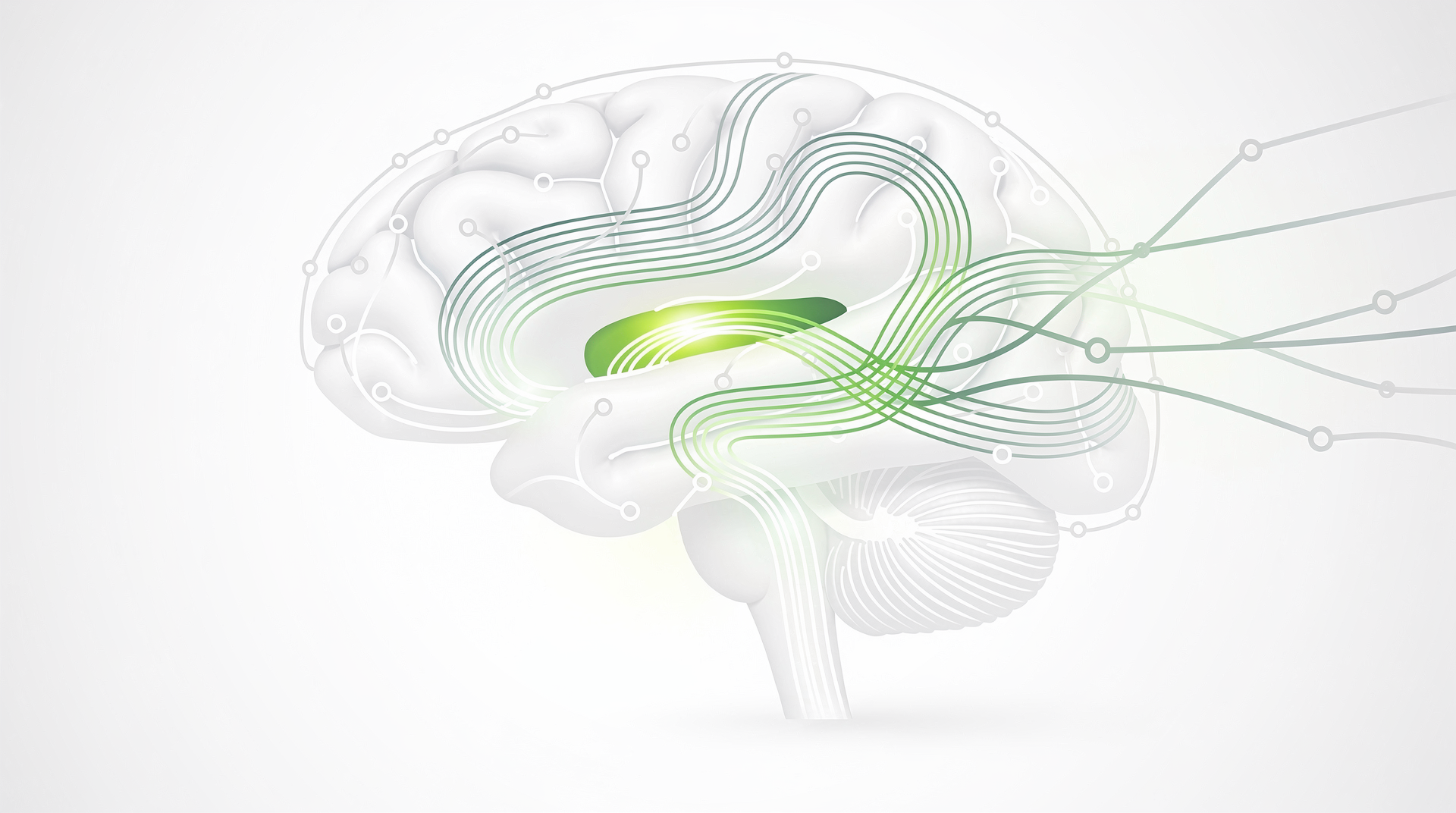
This process begins deep in the brain, in an area called the amygdala. It’s responsible for instantly “reading” danger and triggering the “fight or flight” response. When the amygdala is constantly on edge, it becomes hypersensitive, reacting even to the most minor stimuli. Like a lightbulb that glows too brightly, it becomes less sensitive to dim signals but is constantly overstrained.
As a result, instead of an adequate risk assessment, you fall into the trap of constantly “chewing over” problems – this is called rumination. brain creates entire neural highways for anxious thoughts, because the more often you travel them, the deeper the ruts become, and the easier it is to slide back into them. Every time you worry about the same thing, you literally strengthen the neural connections responsible for that anxiety.
This mechanism leads to the excessive production of stress hormones – cortisol and adrenaline. They can be useful in the short term (helping you run from danger), but in the long term, they lead to exhaustion, chronic fatigue, and literally rewire the brain for perpetual anxiety. Understanding this is the first step toward beginning to re-tune your overly vigilant “guard.”
"Just Stop Worrying": Why it Doesn't Work
You’ve probably heard something like, “Why are you so worried? Just stop thinking about it!” If it were that simple, would this article even be necessary? Such advice ignores a fundamental principle of how our brain works.
Trying to suppress anxious thoughts is like trying to stop a train by putting a small obstacle on the tracks. The train won’t stop, and the obstacle will simply be swept away. If you’ve tried not to think about a white monkey, you know how it works: the more you try to forget it, the more often the monkey appears in your head.
The thing is, when you try to “not think” about something, brain actually has to keep that thought in focus to know that it needs to be suppressed. This is not a reduction in activity, but its forced redirection – the brain expends enormous energy to keep this thought “under control,” which only intensifies the very neural activity you’re trying to get rid of. Energy that could go into solving real problems or resting is instead spent on an endless struggle with yourself.
Our brain is a very efficient machine that seeks the path of least resistance. If you worry often, “pathways” for anxious thoughts form within it. Imagine a muddy road you drive on every day: over time, deep ruts form, and it becomes increasingly difficult to get out of them. The same happens with neural connections. The brain literally learns to worry, and this is cemented at the neural network level.
When you try to suppress anxiety through willpower, you engage the prefrontal cortex – the part of the brain responsible for rational thought and control. But it can only work effectively for a limited time, like a muscle that has been overtrained: it becomes weak and inefficient. You’ve probably caught yourself thinking, “I just decided not to think about this, why is it happening again now?!” – this is the exhaustion of your internal “controller.” Therefore, the attempt to “just not think” is doomed to fail and only exacerbates the situation, creating additional tension and frustration.
The "Worry Cycle": A Mechanism of Self-Sustaining Stress
Constant worry often falls into a vicious cycle. You start to worry for some reason—say, about an upcoming presentation. brain, interpreting this situation as a threat, triggers a cascade of stress reactions. Your heart rate quickens, you might feel sweaty, and a “lump in your throat” sensation can arise. This isn’t in your head—it’s pure physiology. The sympathetic nervous system, releasing cortisol and adrenaline into your bloodstream, is responsible for these manifestations.
And here’s where it gets interesting: you start worrying about the worry itself. “Why am I so nervous?”, “Is it normal to feel this anxious?”, “What if I can’t calm down?” The brain perceives these internal sensations of anxiety as a new threat, and the cycle closes. When you worry about worrying, you create an additional layer of activation that only intensifies the entire process. This phenomenon is actively explored in cognitive-behavioral therapy, where it’s known as meta-worry—when you worry not about the problem, but about the very fact of worrying.
This “worry cycle” isn’t just unpleasant; it exhausts body. Like a car idling at high RPMs, it consumes fuel and wears out its mechanisms without moving. It’s similar to how mitochondria, the “power plants” of your cells, constantly work at full capacity, trying to provide energy for a “fight or flight” response, even when there’s no real threat. As a result, stores of adenosine triphosphate (ATP)—the primary source of energy for cells—are depleted, leading to chronic fatigue and a feeling of complete helplessness.
Chronic stress, sustained by this cycle, leads to a decrease in serotonin levels—a neurotransmitter responsible not only for mood but also for regulating signal transmission in the brain. This neurotransmitter literally “filters out” excessive information and helps maintain emotional stability. When it’s low, the brain reacts to many internal and external stimuli as potentially dangerous, leading to increased anxiety and depressive states. This exacerbates anxiety and makes it a constant backdrop to your life, worsening sleep, concentration, and overall well-being.
Over time, a persistent desensitization of brain receptors to cortisol—the primary stress hormone—occurs. It’s as if the alarm’s trigger threshold is raised: to feel any activation or “alertness,” more and more stimulation is required. The brain becomes accustomed to high levels of stress hormones, and to maintain some level of activity or readiness, it has to release even more. This solidifies chronic tension and exhausts the system even faster.
Gradually, this constant state of readiness leads to learned helplessness: you begin to believe you’re powerless to control your anxiety, and you give up. This is not just a habit; it’s a deeply ingrained pattern that requires a conscious approach and systematic effort to change.
Is There a Difference Between Worry and Anxiety?
Yes, there is a difference, and it’s important. Worry is a cognitive process involving negative forecasts and “replaying” problems. It’s when you think, “What if I’m late?”, “What if I can’t handle the project?”. It’s an internal dialogue, a flow of thoughts.
Anxiety is a broader concept that includes both worry itself and the physical symptoms you feel in body (rapid heartbeat, sweating, stomach tension, trembling), as well as behavioral reactions (avoiding contact, procrastination, withdrawing). In other words, worry is the mental aspect, while anxiety is a complex state affecting the entire organism: from neurotransmitters in the brain to body’s reactions and behavior.
Simply put, worry is a thought; anxiety is a holistic system response to a perceived threat. Worry can be a part of anxiety, but not vice versa.
What You Can Do Today
Changing ingrained neural patterns is challenging but possible. Each step below works because it affects different parts of the system that sustains anxiety:
When to See a Specialist
If constant worry has begun to seriously disrupt your life – sleep has worsened, you constantly feel tired, can’t concentrate at work or study, avoid social interaction, or if you simply realize you can’t cope on your own – it’s time to seek help. A psychologist can help you understand the deeper causes of your anxiety, teach effective self-regulation strategies, and help rewire the neural connections that maintain this “worry cycle.” Do not underestimate the impact of chronic worry: prolonged time in this state literally reconfigures nervous system’s operation, and it becomes much harder to break free from it independently. An experienced professional can provide targeted support to help you reclaim your peace of mind.
If you’re in Tallinn, you can find a psychologist here. If you prefer online consultations, you can book an appointment with a private psychologist here.
In cases of severe crisis or urgent psychological distress, please refer to the resources for emergency psychological and psychiatric care in Estonia.
Test Yourself
If you suspect that your worry has gone beyond a typical reaction and has become a constant companion, you might want to assess your current state. Take a moment to reflect on your experiences over the past few weeks. This brief self-assessment is not a diagnostic tool, but it can help you get a sense of whether your anxiety levels might warrant professional attention. Check your anxiety level here.